Main Page: Difference between revisions
No edit summary |
|||
| (30 intermediate revisions by 5 users not shown) | |||
| Line 1: | Line 1: | ||
=Conservation & Art Materials Encyclopedia Online= | __NOTOC__ __NOTITLE__ | ||
The '''Conservation and Art Materials Encyclopedia Online (CAMEO)''' is a database that compiles, defines, and disseminates technical information on the distinct collection of terms, materials, and techniques used in the fields of art conservation and historic preservation. First developed as a materials database in 1997 at the Museum of Fine Arts, Boston it has expanded with the cooperation of multiple institutions to include several reference collections. Learn more | ='''Conservation & Art Materials Encyclopedia Online'''= | ||
The '''Conservation and Art Materials Encyclopedia Online (CAMEO)''' is a database that compiles, defines, and disseminates technical information on the distinct collection of terms, materials, and techniques used in the fields of art conservation and historic preservation. First developed as a materials database in 1997 at the Museum of Fine Arts, Boston it has expanded with the cooperation of multiple institutions to include several reference collections. Learn more [[about CAMEO|ABOUT CAMEO]]. | |||
To use CAMEO, select any of the databases on the left or below, or simply search by entering text into the search box at the top right. | To use CAMEO, select any of the databases on the left or below, or simply search by entering text into the search box at the top right. | ||
| Line 12: | Line 13: | ||
</table> | </table> | ||
====New Addition==== | |||
<table> | |||
<tr><td valign> | |||
[[File:Colorwheel.jpg|link=|150px|left|Ukiyo-e Colorant Samples]] | |||
;[[Ukiyo-e Print Colorant Database|Ukiyo-e Print Colorant Database]]: | |||
Information on colorants used in Japanese Woodblock print presented in a format organized around individual prints, with additional sections on individual colorants and analytical techniques. It currently focuses on prints from the MFA’s collection that date from the early 1700s to the mid-1800s. <br><br>[[Ukiyo-e Print Colorant Database|View Database]] | |||
</td></tr> | |||
</table> | |||
====Reference Collections==== | ====Reference Collections==== | ||
| Line 17: | Line 26: | ||
<table> | <table> | ||
<tr> | <tr> | ||
<td width=45% valign="top">[[File:MarvelSeallogo.jpg|150px|left| | <td width=45% valign="top">[[File:MarvelSeallogo.jpg|150px|left|]] | ||
;[[:Category:MWG|Materials | ;[[:Category:MWG|Fact Sheets on Exhibit & Storage Materials]]: Information on materials used for the exhibition, storage and transport of cultural heritage objects created by the [http://www.conservation-wiki.com/wiki/Materials_Working_Group Materials Working Group] under the [https://www.culturalheritage.org/ American Institute for Conservation.]<br>[[:Category:MWG|View Database]]</td> | ||
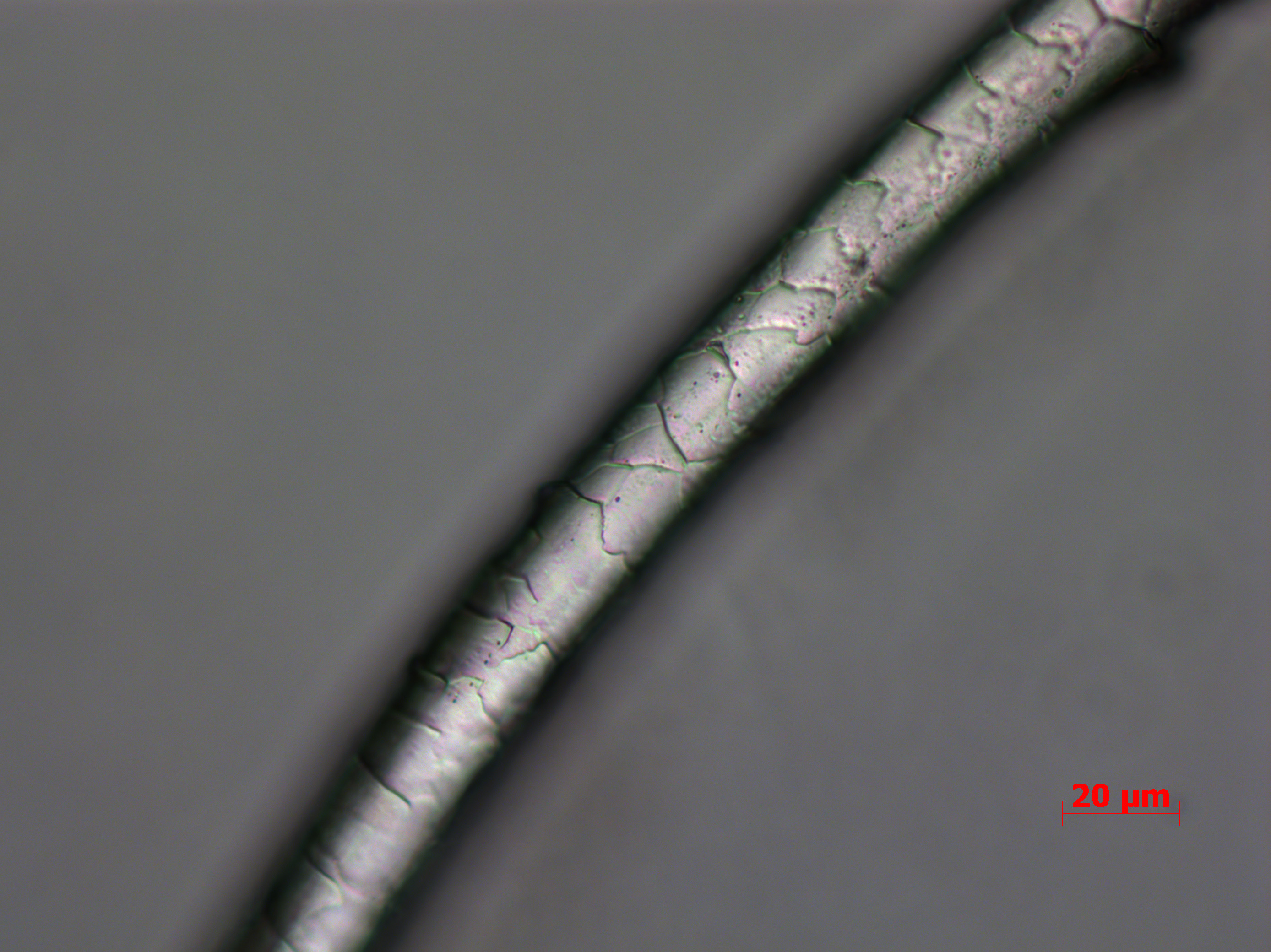
<td width=45% valign="top">[[File:7fcf67d226714e0beab486b64b2e6a4c.jpg|150px|left|link=Fiber Reference Image Library]] | <td width=45% valign="top">[[File:7fcf67d226714e0beab486b64b2e6a4c.jpg|150px|left|link=Fiber Reference Image Library]] | ||
;[[Fiber Reference Image Library|Fiber Reference Image Library]]: A database for the identification of fibers using multiple microscopic techniques | ;[[Fiber Reference Image Library|Fiber Reference Image Library]]: A database for the identification of fibers using multiple microscopic techniques. The reference collection of plants and fibers characterized in this database reside at the Library of Congress Preservation Science Center for the Library's Analytical Scientific Samples ([https://www.loc.gov/preservation/scientists/projects/class.html CLASS]). [[Fiber Reference Image Library|View Library]]</td> | ||
</tr> | </tr> | ||
<tr> | <tr> | ||
| Line 27: | Line 36: | ||
;[[:Category:Dye Analysis|Dye Analysis]]: A database of reference dye materials and samples from cultural artifacts analyzed using liquid chromatography, coupled with diode array and mass spectrometer detectors (LC/DAD/MS). <br>[[:Category:Dye Analysis|View Database]]</td> | ;[[:Category:Dye Analysis|Dye Analysis]]: A database of reference dye materials and samples from cultural artifacts analyzed using liquid chromatography, coupled with diode array and mass spectrometer detectors (LC/DAD/MS). <br>[[:Category:Dye Analysis|View Database]]</td> | ||
<td>[[File:Asiantextile top.jpg|150px|left|link=:Category:Asian Textile Database]] | <td>[[File:Asiantextile top.jpg|150px|left|link=:Category:Asian Textile Database]] | ||
;[[:Category:Asian Textile Database|Asian Textile Database]]: A database of textiles used | ;[[:Category:Asian Textile Database|Asian Textile Database]]: A database of textiles used for mounting East Asian paintings with images and data on fabric type, pattern, weave structure, color, etc. created with [https://asia.si.edu/ The Freer Gallery of Art and Arthur M. Sackler Gallery, the Smithsonian’s National Museum of Asian Art]. [[:Category:Asian Textile Database|View Database]]</td> | ||
</tr> | </tr> | ||
<tr> | <tr> | ||
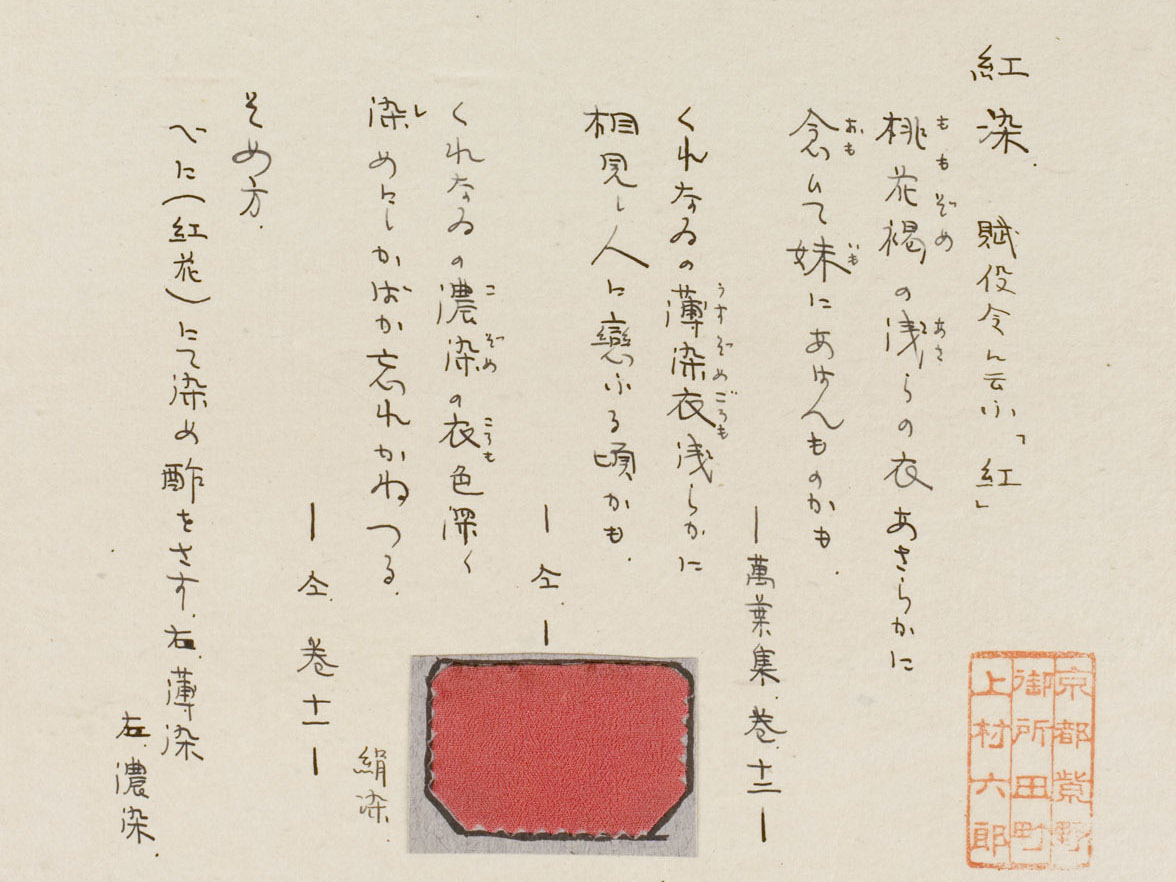
<td width=45% valign="top">[[File:Uemura top.jpg|150px|left|link=:Category:Uemura dye archive]] | <td width=45% valign="top">[[File:Uemura top.jpg|150px|left|link=:Category:Uemura dye archive]] | ||
;[[:Category:Uemura dye archive|Uemura Dye Archive]]: A collection of 744 dyed fabrics prepared in the early 20th century by Uemura Rokuro, a scholar of traditional dyeing techniques in Japan. | ;[[:Category:Uemura dye archive|Uemura Dye Archive]]: A collection of 744 dyed fabrics prepared in the early 20th century by Uemura Rokuro, a scholar of traditional dyeing techniques in Japan. This collection is housed in the MFA Scientific Research Department.<br>[[:Category:Uemura dye archive|View Archive]]</td> | ||
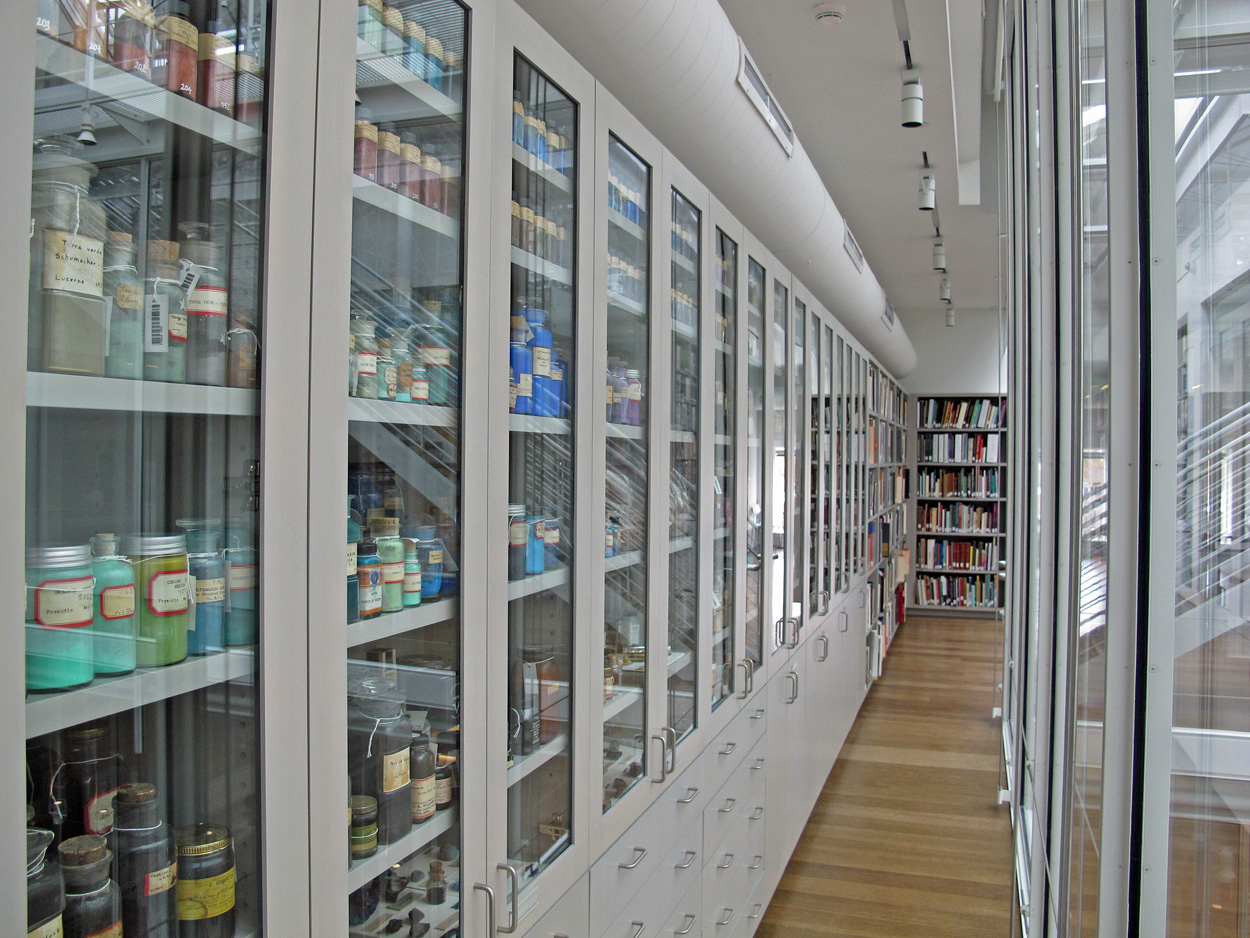
<td width=45% valign="top">[[File:Straus wall of pigments.jpg|150px|left|link=Forbes Pigment Database]] | <td width=45% valign="top">[[File:Straus wall of pigments.jpg|150px|left|link=Forbes Pigment Database]] | ||
;[[Forbes Pigment Database|Forbes Pigment Database]]: An inventory and analysis of Forbes pigment samples currently dispersed | ;[[Forbes Pigment Database|Forbes Pigment Database]]: An inventory and analysis of Forbes pigment samples currently dispersed in various museums around the world. The core collection, the [https://www.harvardartmuseums.org/article/pigment-collection-colors-all-aspects-of-the-museums Forbes Pigment Collection] is housed at the [https://www.harvardartmuseums.org/ Harvard Art Museums.]<br>[[Forbes Pigment Database|View Database]]</td> | ||
</tr> | </tr> | ||
</table> | </table> | ||
| Line 40: | Line 49: | ||
<div style="background-color: #f5f5f5; border: 1px solid #f5f5f5; padding: 5px">'''NEW DATABASE''' | <div style="background-color: #f5f5f5; border: 1px solid #f5f5f5; padding: 5px">'''NEW DATABASE''' | ||
----------------------- | ----------------------- | ||
September, 2025 | |||
{|style="float:left; margin-right: 5px;" | {|style="float:left; margin-right: 5px;" | ||
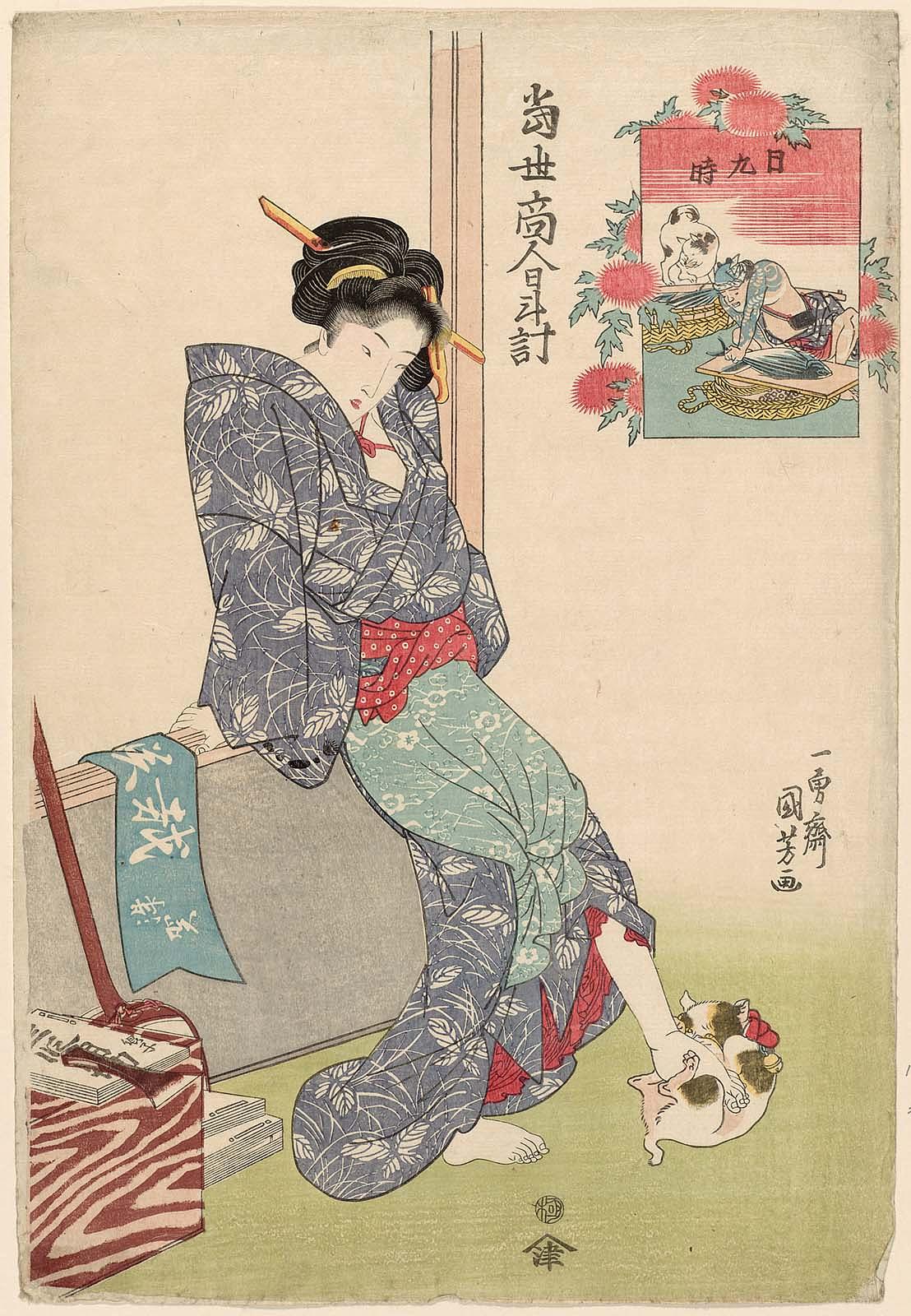
[[File:SC169506.jpg|left|150px|link=Kuniyoshi, The Ninth Hour: Noon; Woman Playing with Cat, Fishmonger and Dog, from the series Sundial of Modern Tradesmen, 11.15955|The Ninth Hour... by Utagawa Kuniyoshi]] | |||
|} | |} | ||
'''Ukiyo-e Print Colorant Database''' | |||
Explore the [[ | The [https://mfa.org/collections/conservation-and-collections-management Asian Conservation Studio and Scientific Research Laboratory] at the Museum of Fine Arts, Boston (MFA) have been conducting research into the colorants used in Japanese woodblock prints from the Edo period (1603–1868). This work combines the perspectives of conservators, who are familiar with the practical use of materials and their physical characteristics with scientists’ expertise in analysis and interpretation of data. This project has relied solely on non-invasive techniques that do not require sampling from prints. | ||
The Ukiyo-e Print Colorant Database presents results of this research in a format organized around individual prints, with additional sections on individual colorants and analytical techniques. It currently focuses on prints from the MFA’s collection that date from the early 1700s to the mid-1800s. It does not encompass the whole breadth of colorants used in Japanese woodblock prints, particularly the synthetic dyes that came into use during the later part of the 19th century. Around 250 prints are currently featured in the database, with more being added as existing data is re-evaluated and new data acquired. | |||
Explore the [[Ukiyo-e Print Colorant Database|Ukiyo-e Print Colorant Database]] | |||
</div> | </div> | ||
| Line 64: | Line 77: | ||
</div> | </div> | ||
Latest revision as of 11:18, 17 September 2025
Conservation & Art Materials Encyclopedia Online
The Conservation and Art Materials Encyclopedia Online (CAMEO) is a database that compiles, defines, and disseminates technical information on the distinct collection of terms, materials, and techniques used in the fields of art conservation and historic preservation. First developed as a materials database in 1997 at the Museum of Fine Arts, Boston it has expanded with the cooperation of multiple institutions to include several reference collections. Learn more ABOUT CAMEO.
To use CAMEO, select any of the databases on the left or below, or simply search by entering text into the search box at the top right.

|
New Addition
 Information on colorants used in Japanese Woodblock print presented in a format organized around individual prints, with additional sections on individual colorants and analytical techniques. It currently focuses on prints from the MFA’s collection that date from the early 1700s to the mid-1800s. |
Reference Collections

|
|

|

|
|
|
NEWS & UPDATES
September, 2025
Ukiyo-e Print Colorant Database
The Asian Conservation Studio and Scientific Research Laboratory at the Museum of Fine Arts, Boston (MFA) have been conducting research into the colorants used in Japanese woodblock prints from the Edo period (1603–1868). This work combines the perspectives of conservators, who are familiar with the practical use of materials and their physical characteristics with scientists’ expertise in analysis and interpretation of data. This project has relied solely on non-invasive techniques that do not require sampling from prints.
The Ukiyo-e Print Colorant Database presents results of this research in a format organized around individual prints, with additional sections on individual colorants and analytical techniques. It currently focuses on prints from the MFA’s collection that date from the early 1700s to the mid-1800s. It does not encompass the whole breadth of colorants used in Japanese woodblock prints, particularly the synthetic dyes that came into use during the later part of the 19th century. Around 250 prints are currently featured in the database, with more being added as existing data is re-evaluated and new data acquired.
Explore the Ukiyo-e Print Colorant Database
July, 2020

The CAMEO homepage now has a new logo and look!
We would like to thank Scott Na'auao of Welcome Stranger for his generosity in designing the new logo. Thank you!