Volara: Difference between revisions
Jump to navigation
Jump to search
No edit summary |
No edit summary |
||
| Line 4: | Line 4: | ||
== Description == | == Description == | ||
A brand name for a closed cell plastic foam made from [http://cameo.mfa.org/materials/fullrecord.asp?name=polyethylene polyethylene]. Volara has a smooth surface that is resistant to water absorption and chemical reactions. It is used to line drawers and boxes. | A brand name for a closed cell plastic foam made from [http://cameo.mfa.org/materials/fullrecord.asp?name=polyethylene polyethylene]. Volara has a smooth surface that is resistant to water absorption and chemical reactions. It is used to line drawers and boxes. | ||
== Additional Images == | == Additional Images == | ||
| Line 15: | Line 15: | ||
== Authority == | == Authority == | ||
* | * Pam Hatchfield, ''Pollutants in the Museum Environment'', Archetype Press, London, 2002 | ||
* | * Marie Svoboda, Conservation Survey Index, unpublished, 1997 | ||
* | * Gordon Hanlon, contributed information, 1998 | ||
* | * Conservation Support Systems, Catalog, 1997 | ||
[[Category:Materials database]] | [[Category:Materials database]] | ||
Revision as of 07:35, 24 July 2013


Description
A brand name for a closed cell plastic foam made from polyethylene. Volara has a smooth surface that is resistant to water absorption and chemical reactions. It is used to line drawers and boxes.
Additional Images
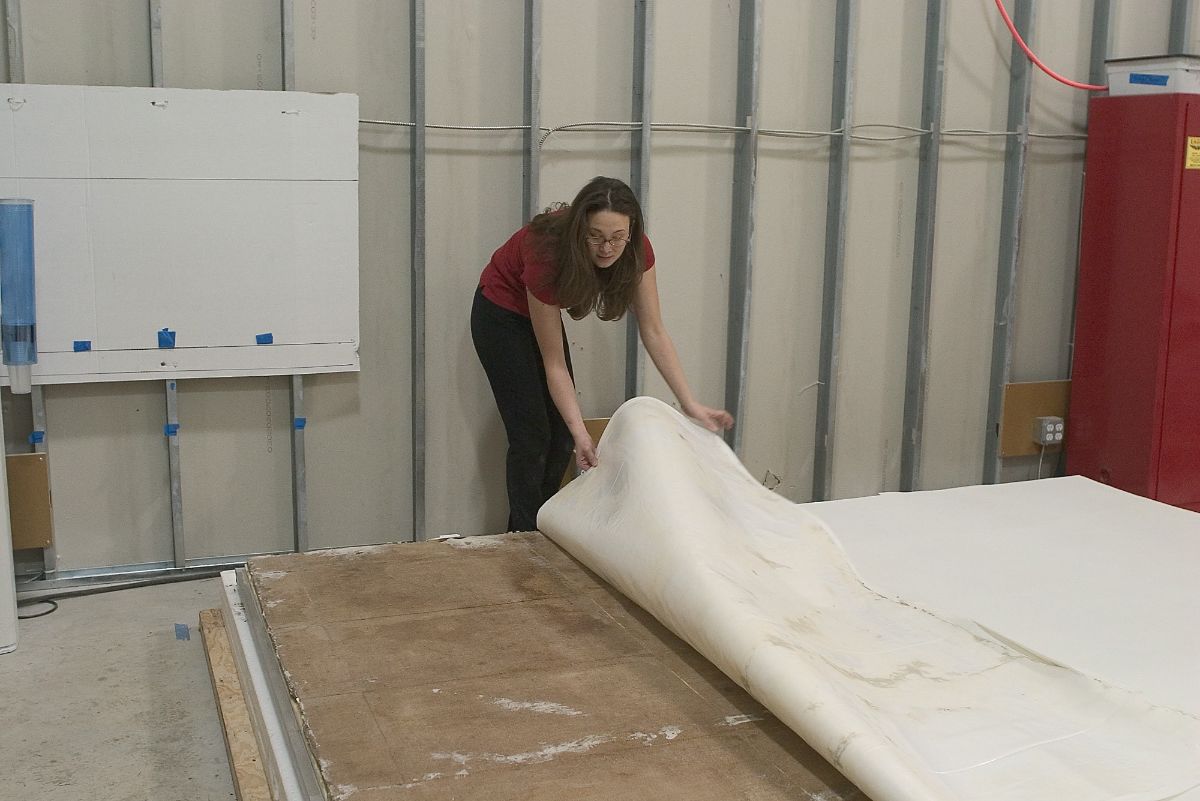
Removing Volara

Authority
- Pam Hatchfield, Pollutants in the Museum Environment, Archetype Press, London, 2002
- Marie Svoboda, Conservation Survey Index, unpublished, 1997
- Gordon Hanlon, contributed information, 1998
- Conservation Support Systems, Catalog, 1997