Amur cork tree: Difference between revisions
Jump to navigation
Jump to search
No edit summary |
No edit summary |
||
| Line 30: | Line 30: | ||
== Authority == | == Authority == | ||
* ''Encyclopedia Britannica'', http://www.britannica.com Comment: cork tree" | * ''Encyclopedia Britannica'', http://www.britannica.com Comment: cork tree" Encyclopædia Britannica [Accessed March 5, 2002]. | ||
* | * R.Feller, M.Curran, C.Bailie, 'Identification of Traditional Organic Colorants Employed in Japanese Prints and Determination of their Rates of Fading', ''Japanese Woodblock Prints'', Allen Memorial Art Museum, Oberlin College, Oberlin, 1984 | ||
[[Category:Materials database]] | [[Category:Materials database]] | ||
Revision as of 07:25, 24 July 2013

Description
The bark from the amur cork tree (Phellodendron amurense) is extracted to produce a yellow dye. The principal colorant is berberine.
Synonyms and Related Terms
Phellodendron amurense; kihada (Jap.); Japanese yellow wood

Other Properties
Autofluorescence = intense yellow
Additional Information
S.Shimoyama, Y.Noda, S.Katshuhara, "Non-Destructive Analysis of Ukiyo-E Prints" Dyes in History and Archaeology, No.15, Paper presented in Manchester England, Nov. 1996.
Additional Images
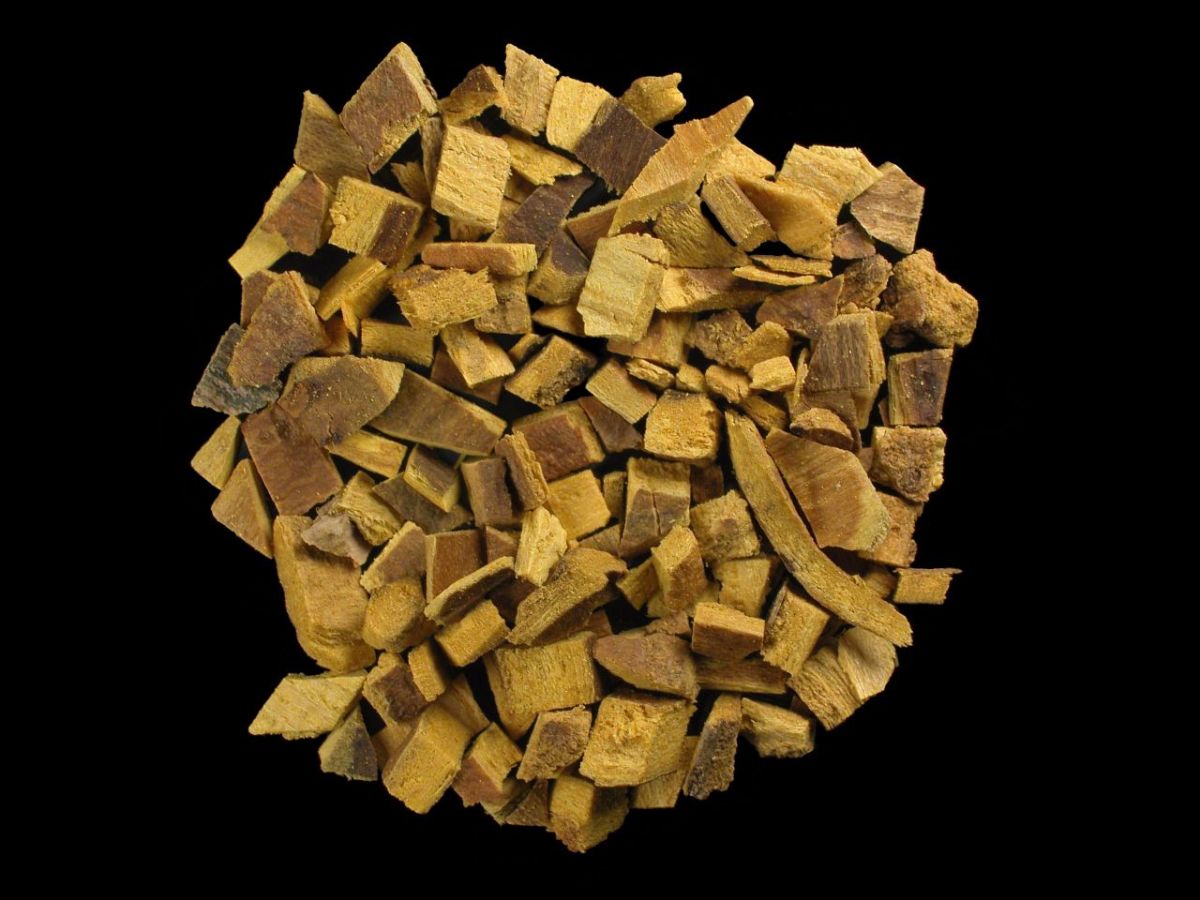
Japanese yellow wood

Kihada
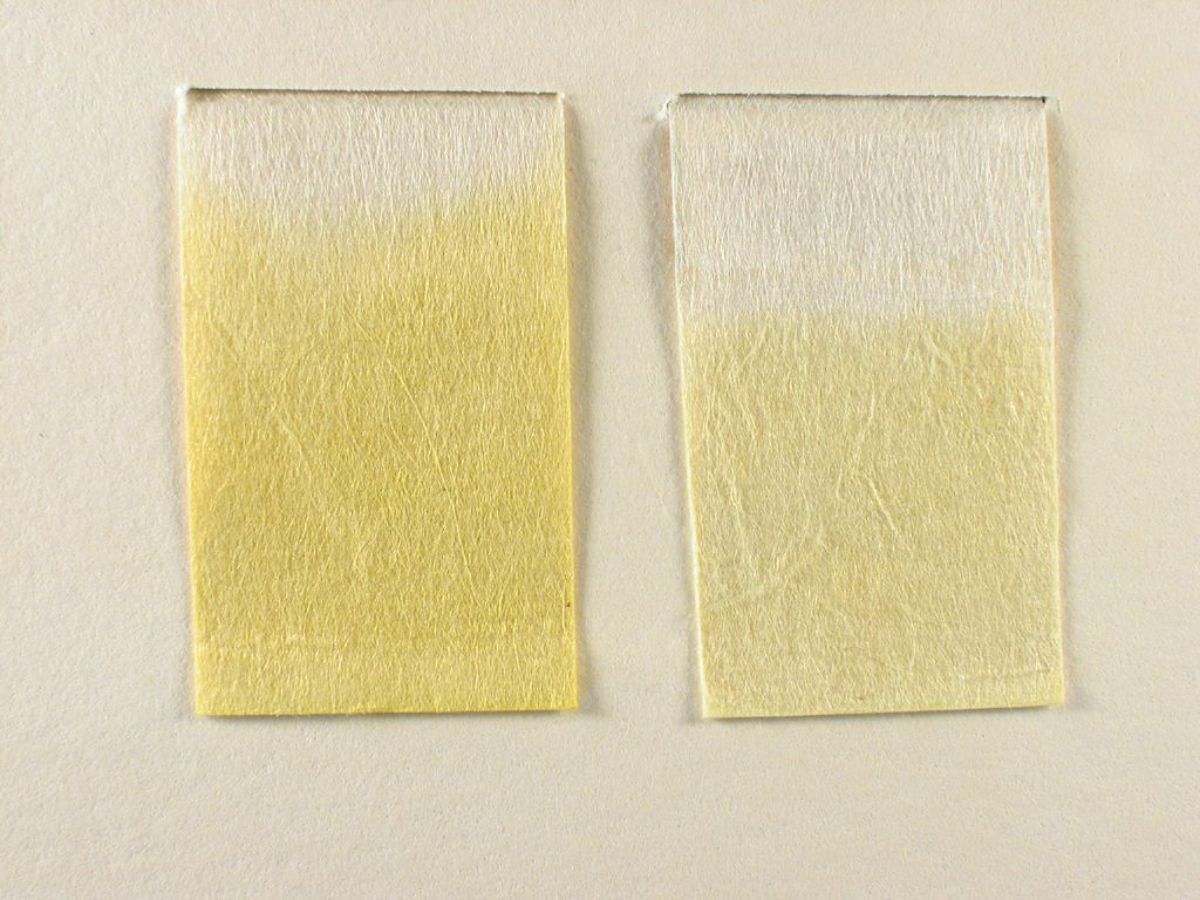
Kihada


Authority
- Encyclopedia Britannica, http://www.britannica.com Comment: cork tree" Encyclopædia Britannica [Accessed March 5, 2002].
- R.Feller, M.Curran, C.Bailie, 'Identification of Traditional Organic Colorants Employed in Japanese Prints and Determination of their Rates of Fading', Japanese Woodblock Prints, Allen Memorial Art Museum, Oberlin College, Oberlin, 1984