BkMUC-Sap
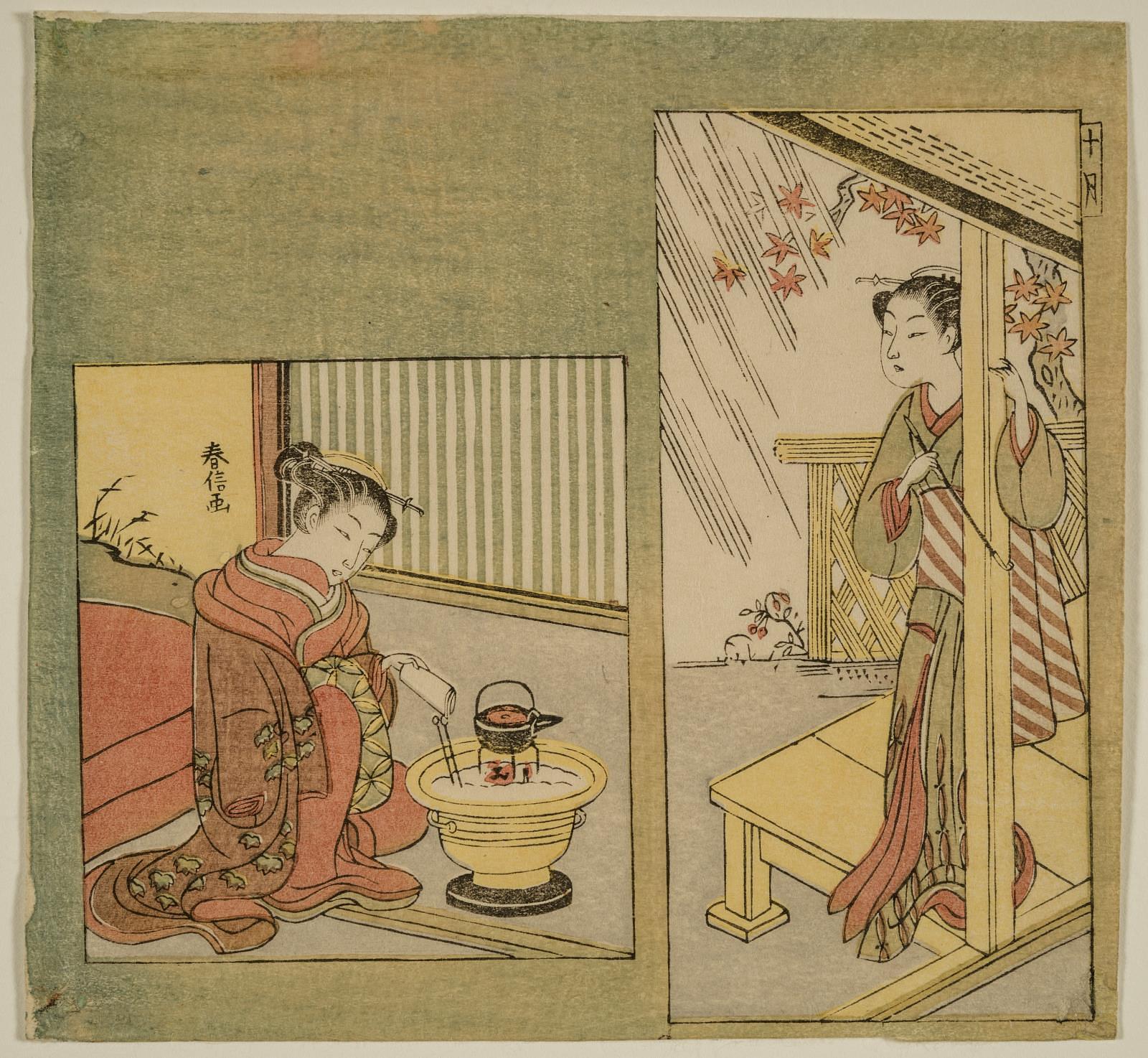
Sappanwood 蘇芳 (suō): A red dye extracted from several tropical trees, such as Paubrasilia echinata, commonly known as brazilwood from Brazil and Biancaea sappan, commonly known as sappanwood from Southeast Asia. Its principal colorant is brasilin, a hydroxyanthraquinone, that gives a deep red to brownish color when it is oxidized to form brasilein.
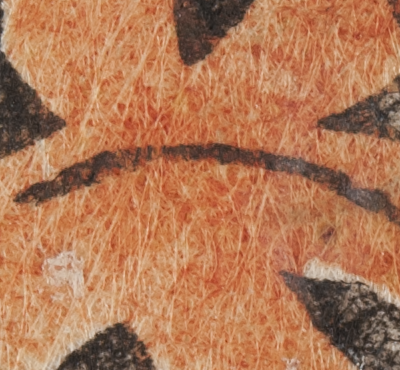
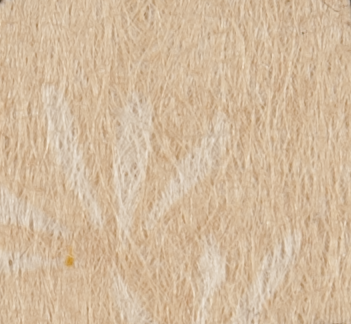
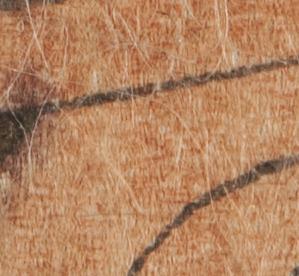
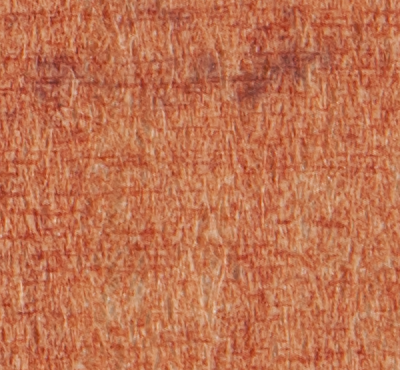
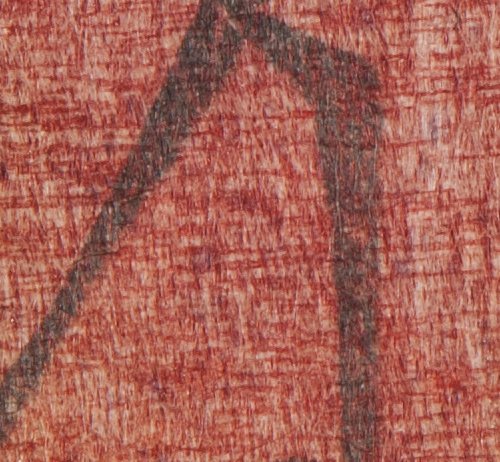
Sappanwood has been detected but the use of it appears to have been infrequent. Due to its sensitivity to pH, sappanwood can be manipulated to produce a range of colors as pink, red, or oranges. It is unknown if printers adjusted the pH to create a range of colors. Evidence of pH manipulation is difficult to extrapolate from the prints themselves since many of the examples have discolored to a dull pinkish brown due to fading and/or ageing.
For additional information see: Sappanwood, Biancaea sappan (Kew)
Examples of Sappanwood in Ukiyo-e Prints
|

|

|

|

|

Analysis
Excitation Emission Matrix (EEM) spectroscopy can easily identify the organic reds: safflower, madder, and sappanwood.

EEM reference spectrum of sappanwood 
3D EEM plots for Red references 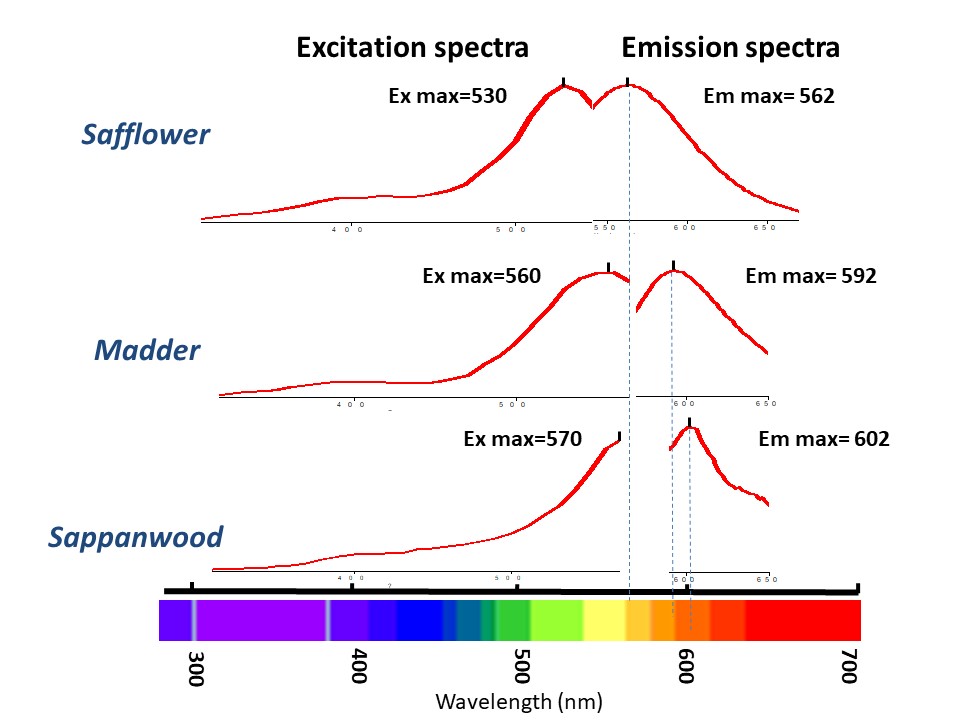
Overlay of EEM curves for Red references 
Overlay of FORS spectra for Red references 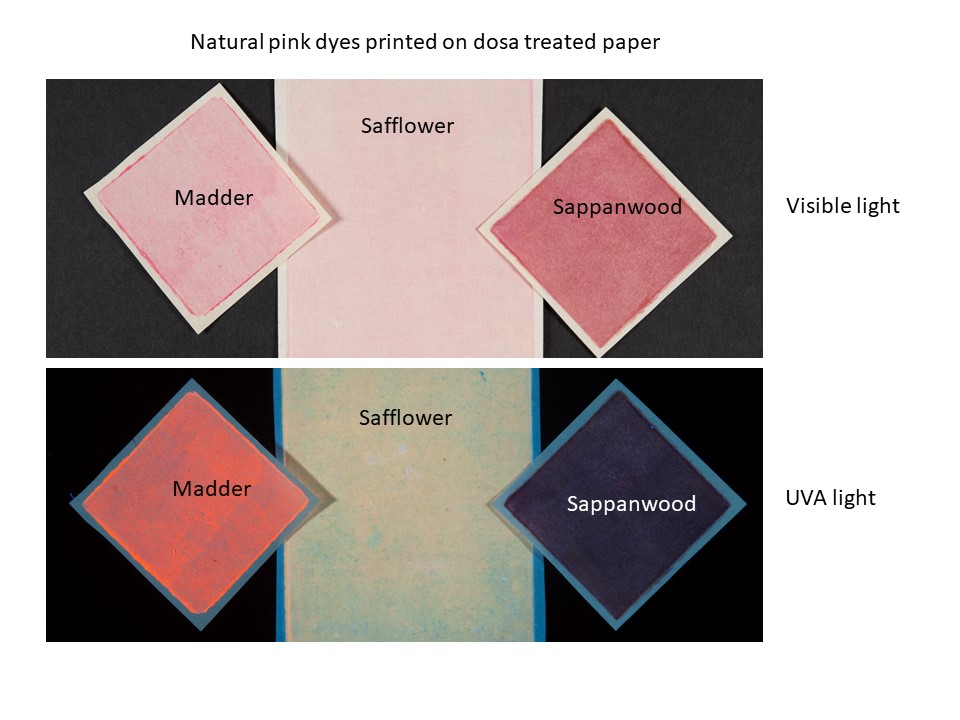
Visible light and UVA for Red references


Interpretation
- Sappanwood only fluoresces slightly under UVA radiation and produces a unique EEM pattern.
- The 3D EEM spectrum of sappanwood appears as a small, high shape with an excitation max near 570 and an emission max near 600. The power of the light source on the EEM spectrometer usually needs to be increased to see the sappanwood emissions.
Images of Sappanwood

Sappanwood (Biancaea sappan)
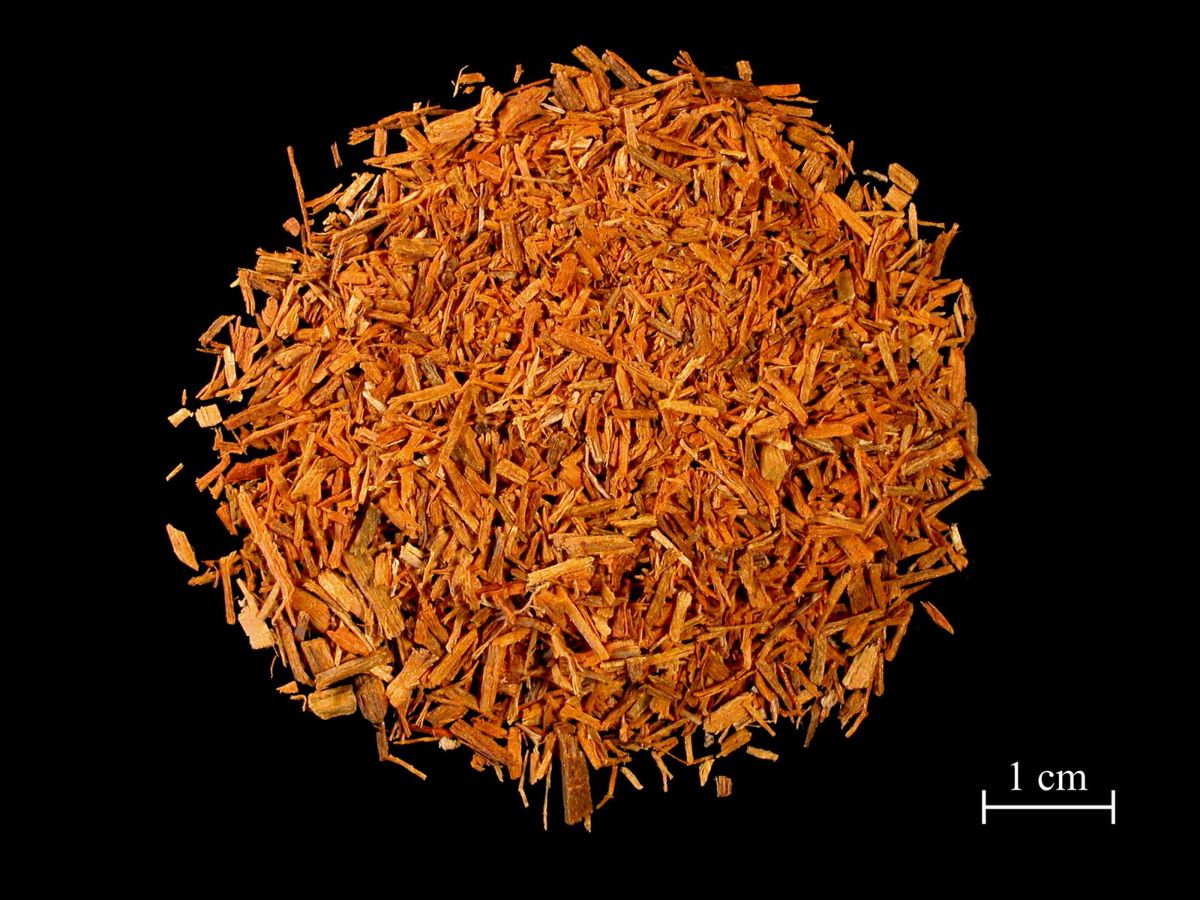
Chips of Sappanwood
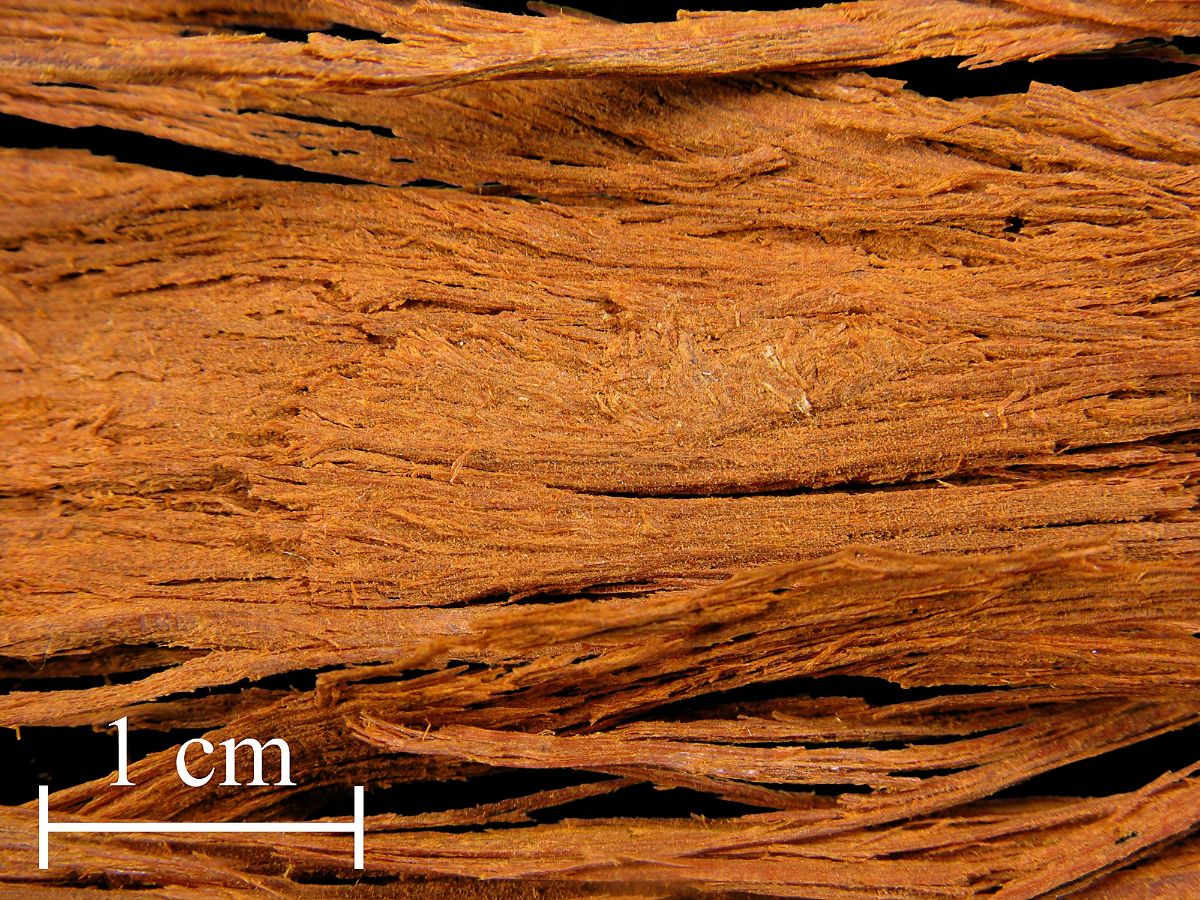
Sappanwood


List of Prints
Below is a list of prints where sappanwood was detected.