BkMUC-CC
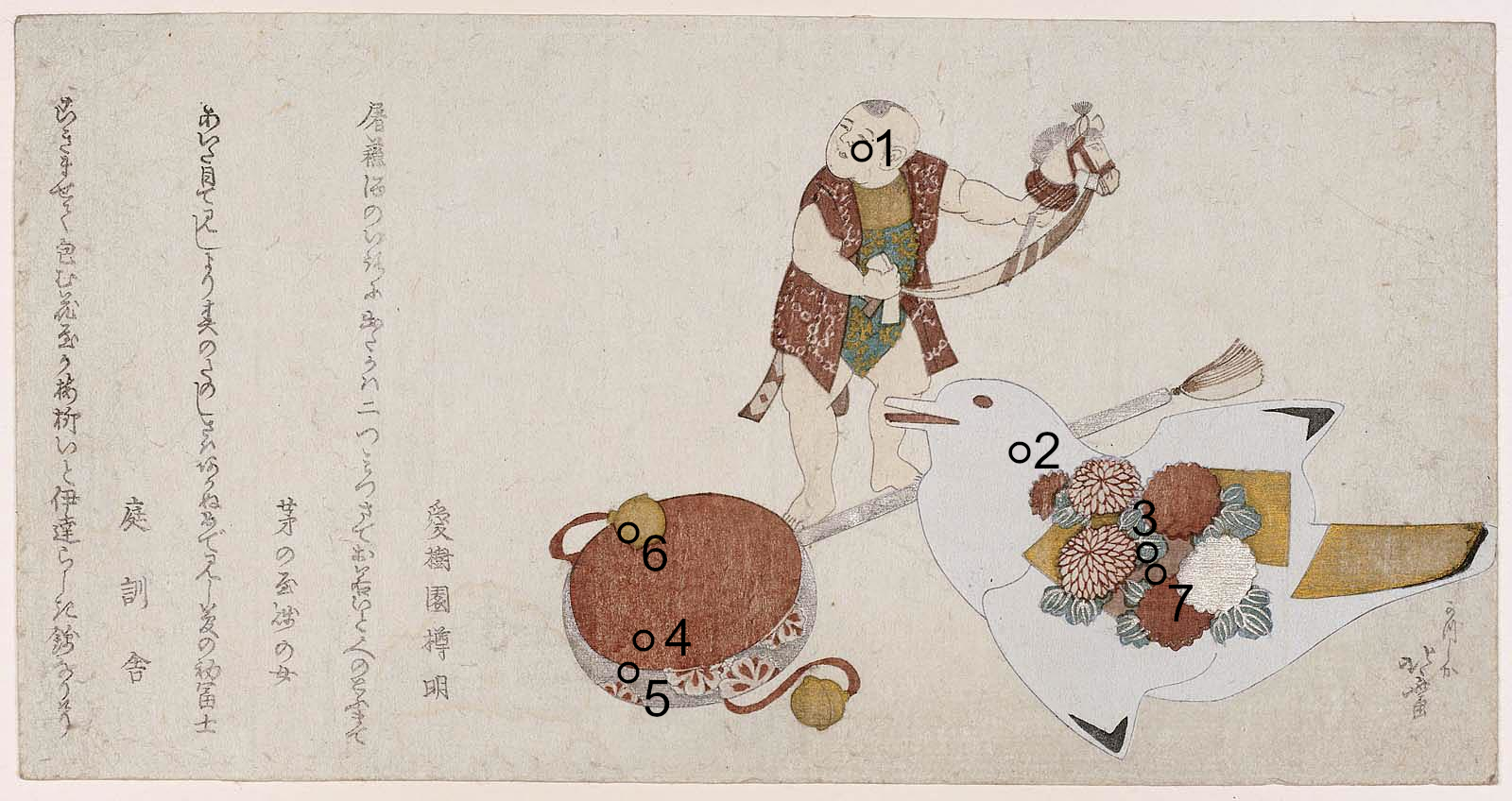
Calcium carbonate 胡粉 (gofun): A white powder that can occur in three crystalline forms: calcite (hexagonal-rhombohedral), aragonite (orthorhombic) and vaterite. Calcium carbonate occurs naturally in many forms such as chalk, limestone, marble and sea shells. In Japan, the source is sea shells.
Calcium carbonate can be difficult to confirm as a printed color since the water used in papermaking can have a high concentrations of calcium; also it was sometimes used as an additive in the paper.
Calcium carbonate has been found mixed with carbon black to create a wide range of gray tones that can appear as a pale blue color. Extensive use of calcium carbonate is found on Harunobu’s mizu-e (水絵) or water prints of the 1760s which are images printed with no or faintly printed outlines. Sometimes calcium carbonate, like lead white was spattered across the surface of a completed print in order to approximate the appearance of snow or sea spray.
For additional information see: Calcium carbonate
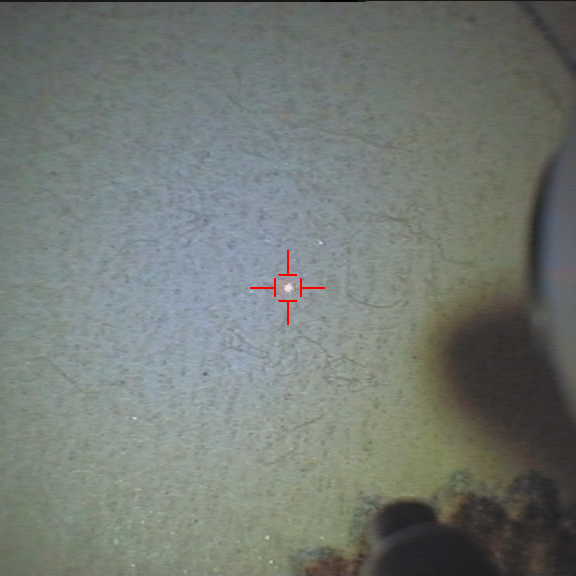
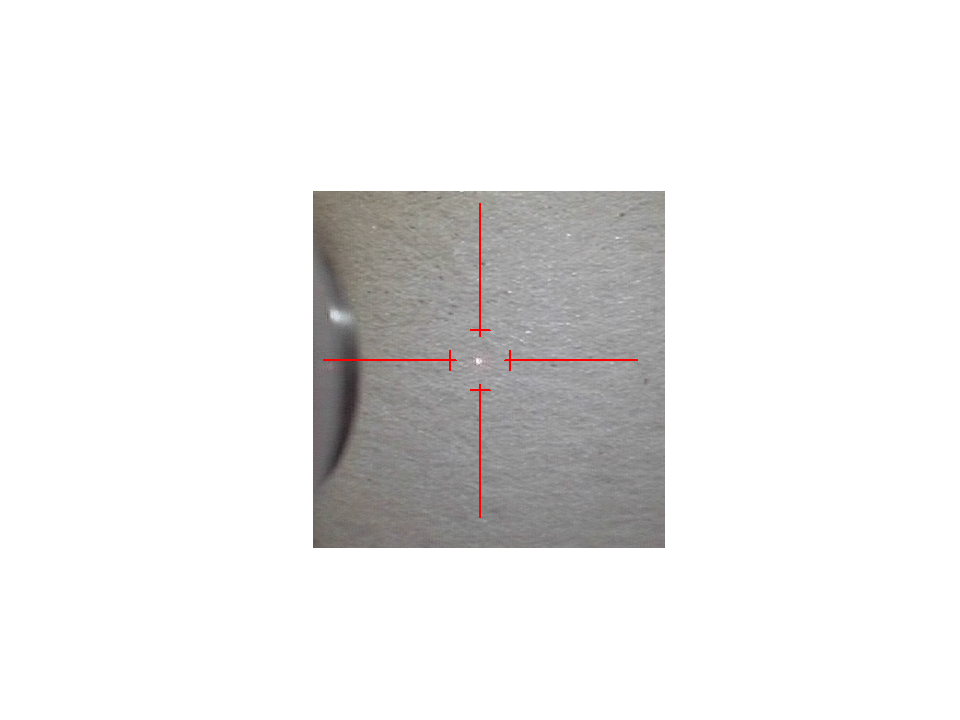
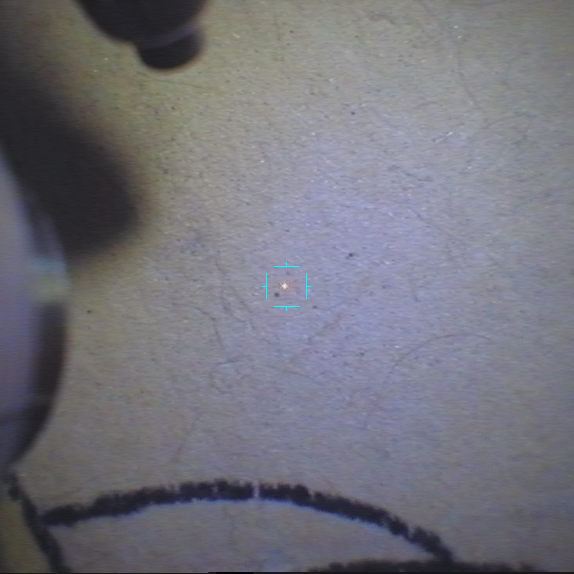
Examples of Calcium carbonate in Ukiyo-e Prints
|

|


|


|

Analysis
X-ray fluorescence analysis (XRF) is used to detect calcium (Ca), which in a white area, is an indication for the presence of calcium carbonate (CaCO3).

XRF plot for Calcite

Images of Calcium carbonate
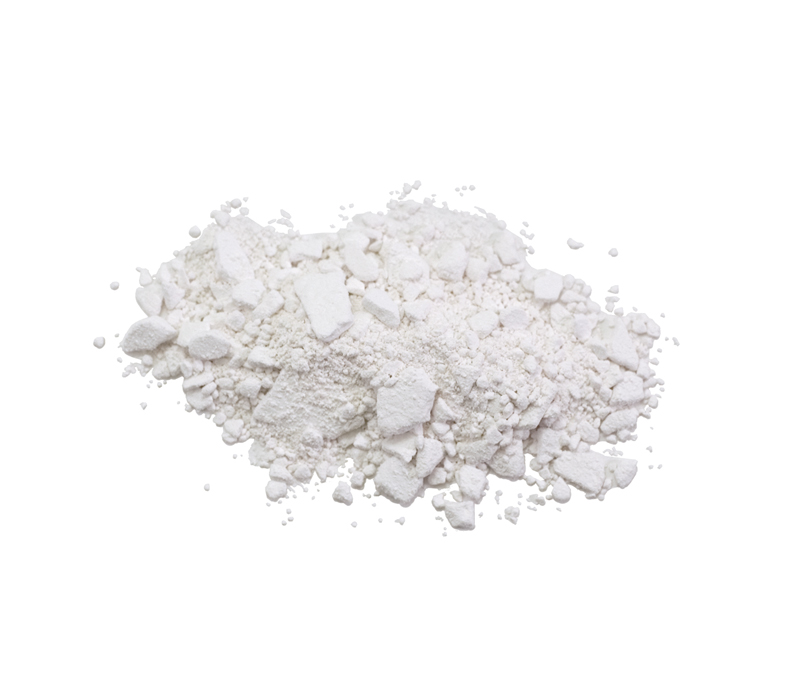
Gofun, by Musashino Art University
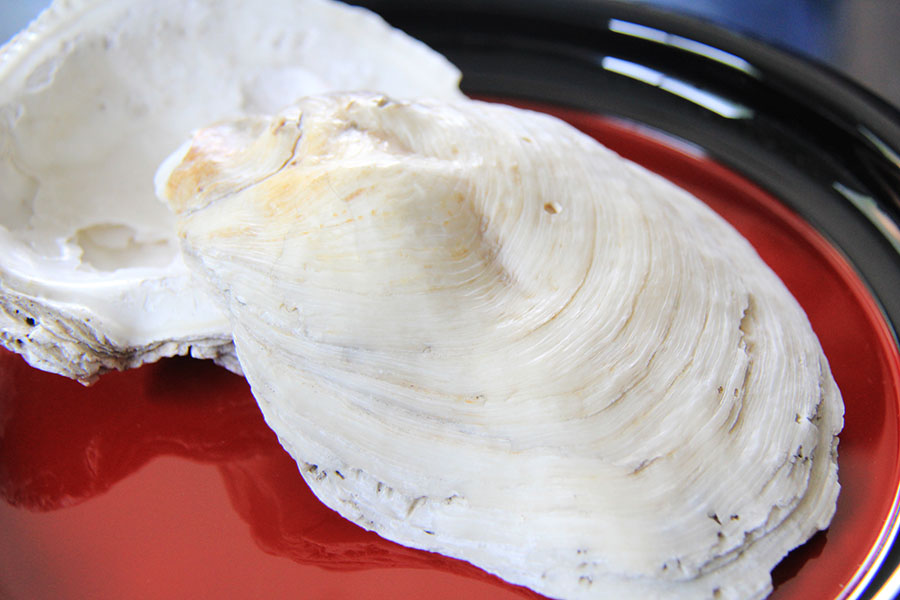
Weathered oyster shells (Ostrea denselamellosa), by Central Japan Railway Company
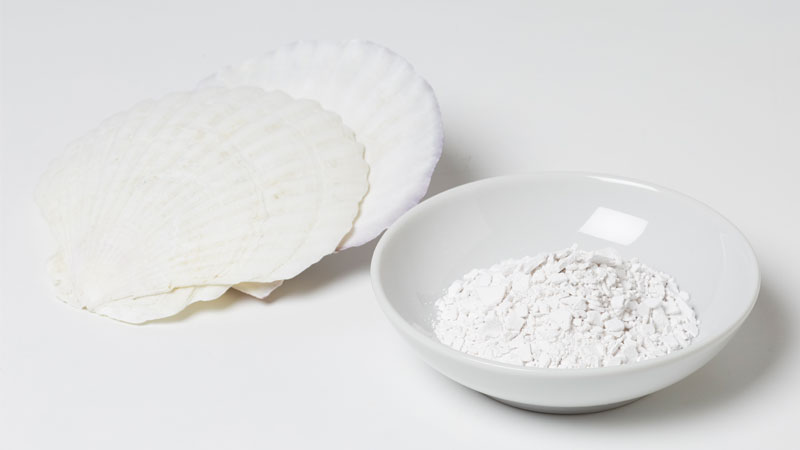
Weathered scallop shells and gofun, by Uebaesou Co., Ltd.

Calcium carbonate, by National Museum of American History
List of Prints
Below is a list of prints where calcium carbonate was detected.